European cities are growing — not just in population, but in ambition. Housing demand is surging, driven by urban migration, demographic change, and the need for affordable, inclusive neighborhoods. Yet land is scarce, especially in historic and coastal cities where expansion often collides with heritage, nature, or climate risks.
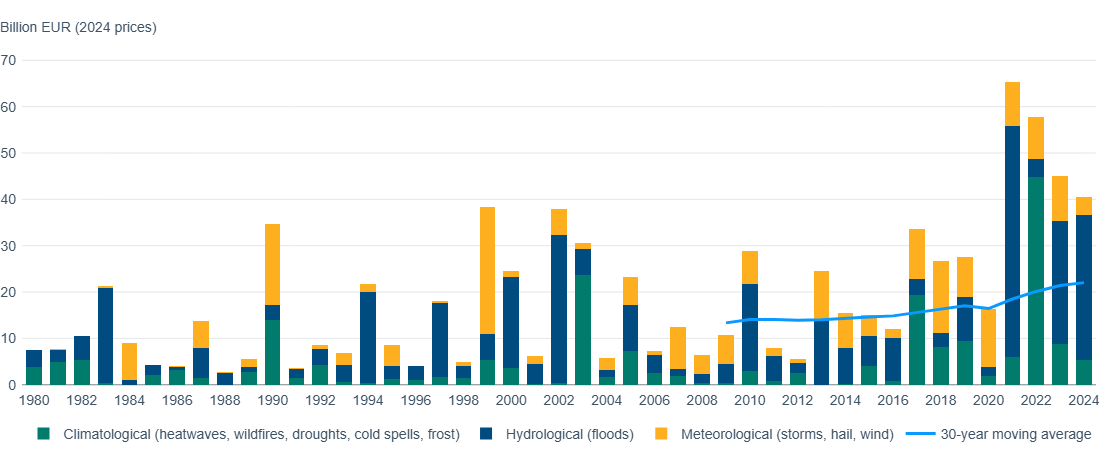
At the same time, rising sea levels and more frequent floods are putting existing infrastructure under pressure. For municipalities, the challenge is twofold: create more housing without consuming scarce land, while simultaneously building resilience against climate change.
The opportunity: building on water
Floating districts offer an alternative that is both scalable and sustainable. By transforming underused urban waterfronts into vibrant floating neighborhoods, municipalities can:
- Expand housing supply without consuming agricultural land or green belts.
- Adapt to climate risks with developments that rise naturally with the tide.
- Create mixed-use districts that combine housing, retail, and public space.
- Preserve cultural heritage by avoiding disruptive land reclamation
A European perspective
Living on water is not new to Europe. From the canals of Amsterdam and Venice to the houseboats along the Seine, water has always been part of daily life and urban identity. Expanding this tradition to a larger scale is a natural next step, fitting seamlessly with European values of sustainability, community, and quality of life.
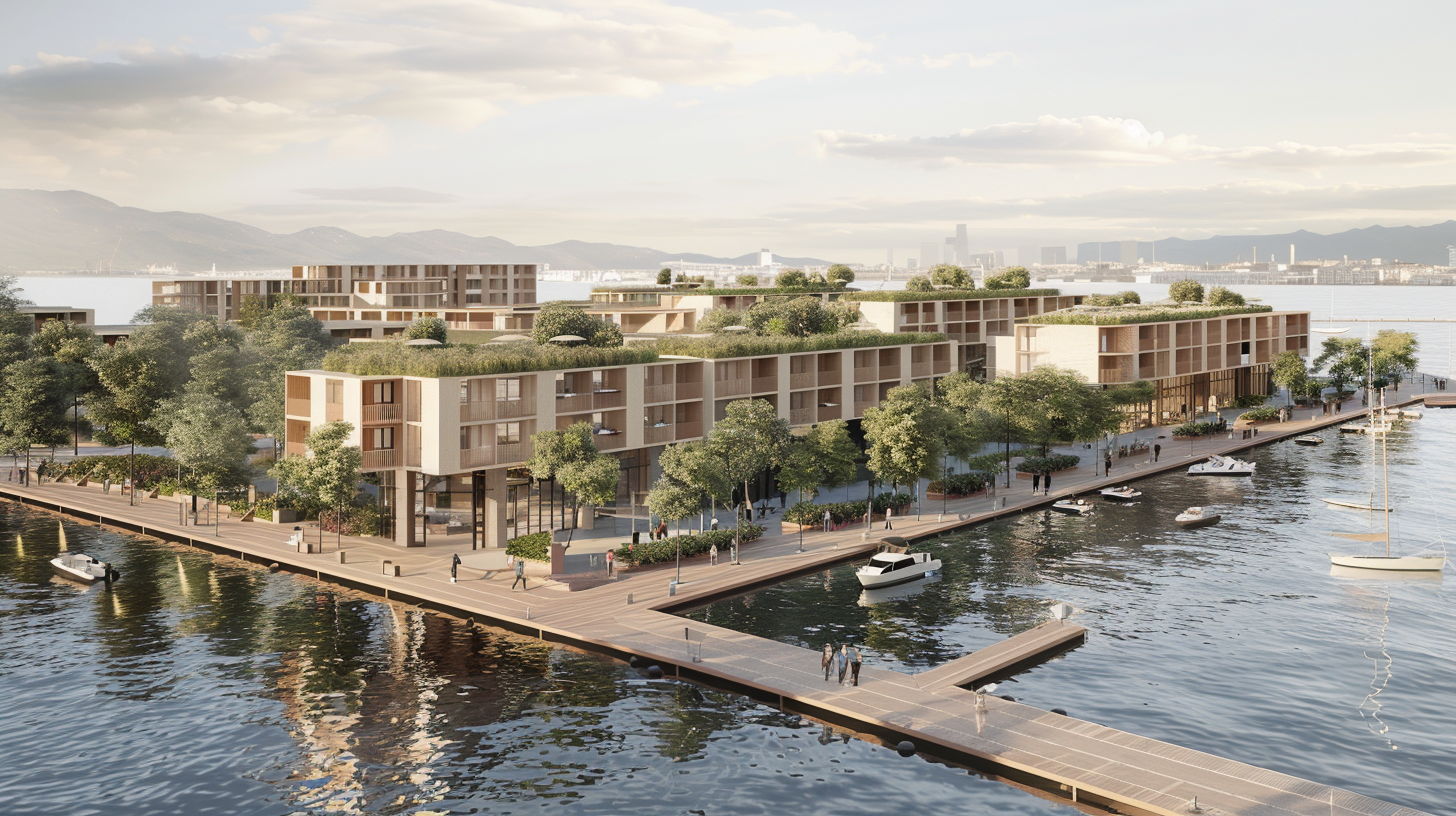
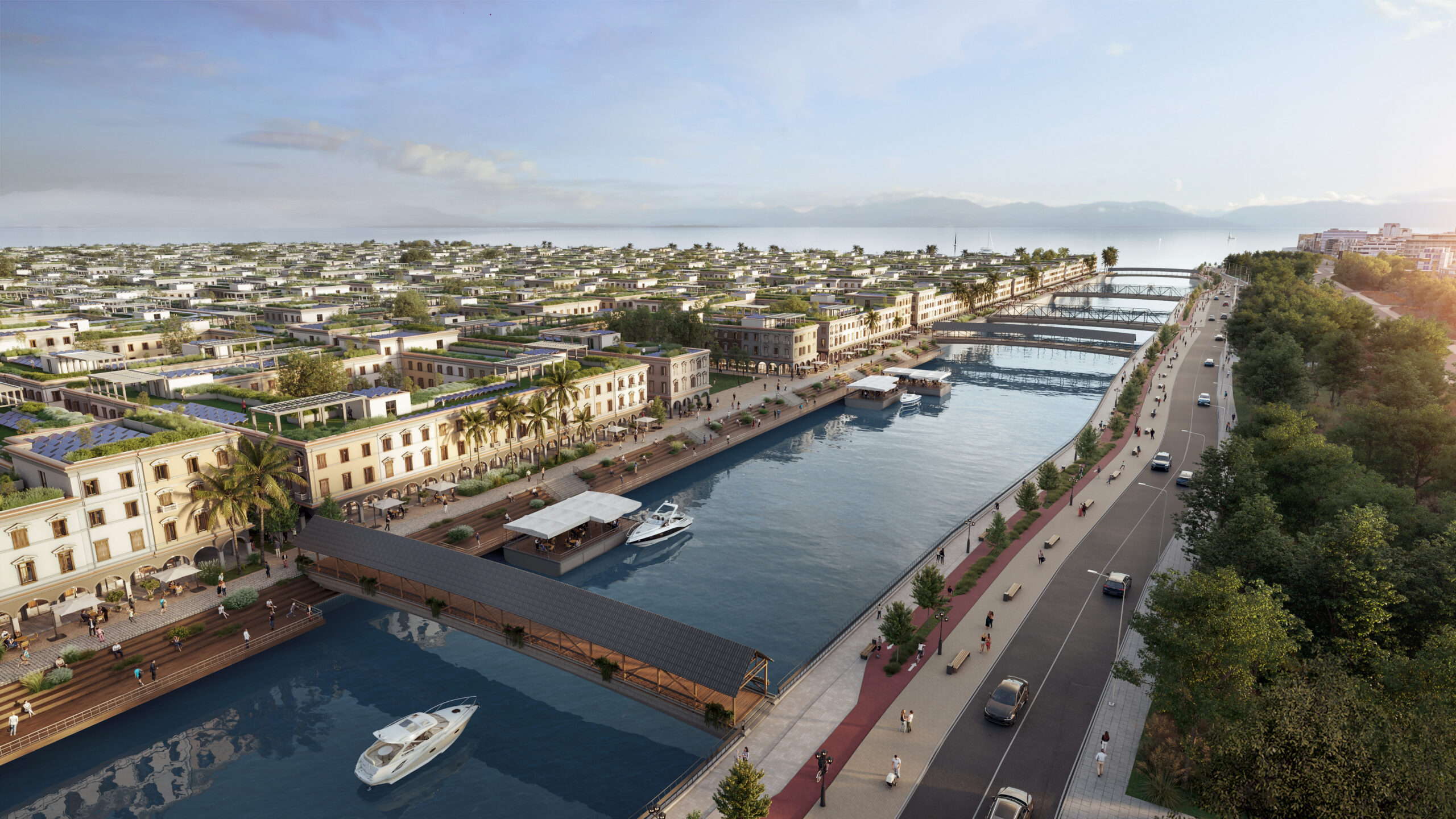
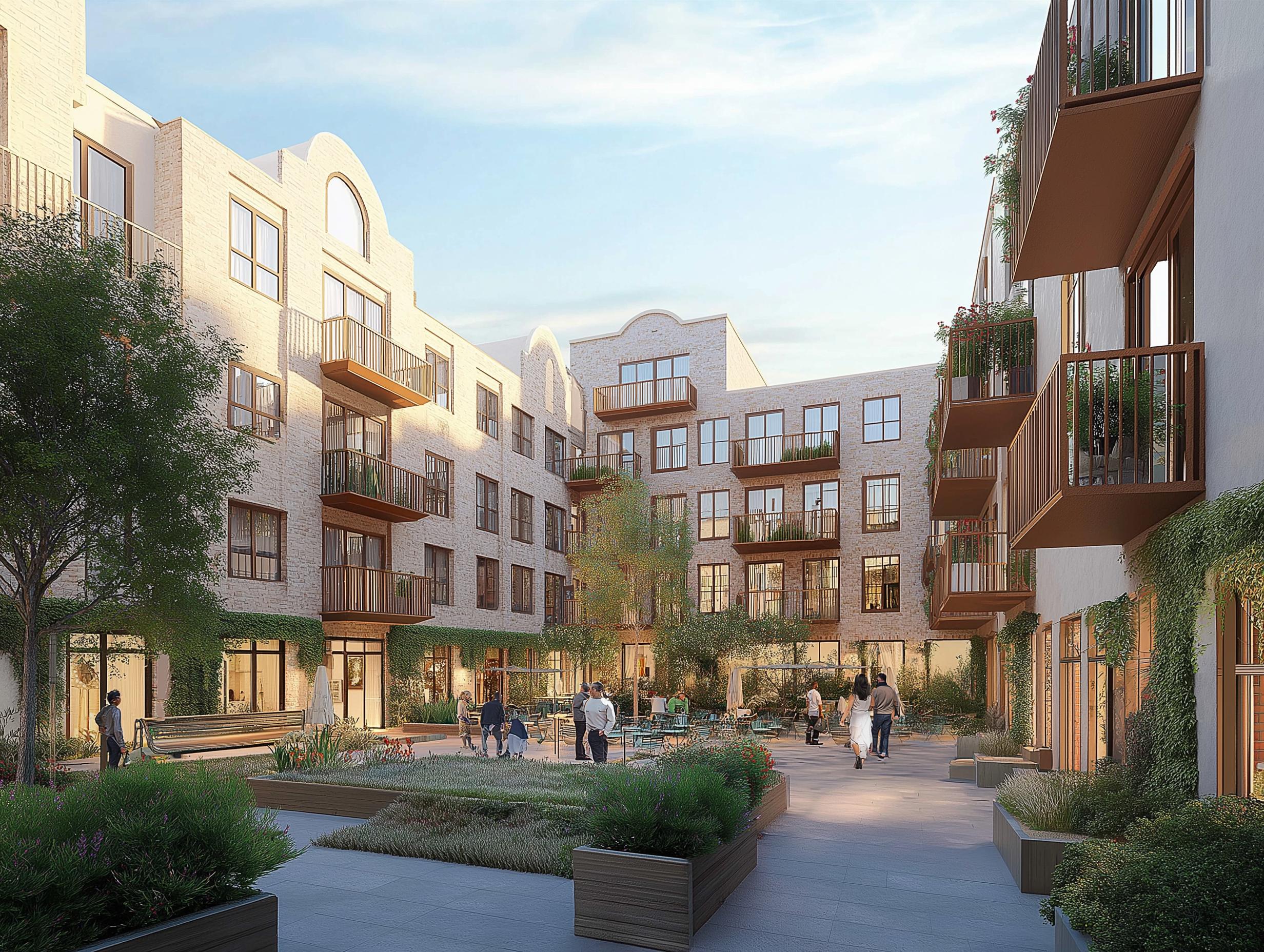
Each floating neighborhood can be adapted to reflect the local architectural language – whether it’s the brick facades of Northern Europe, the colorful waterfronts of the Mediterranean, or the modernist skylines of emerging hubs. This ensures that every project feels like a genuine part of the city, not a detached experiment, blending innovation with heritage in a way that resonates with both residents and visitors.
An extension of the city, for everyone
A floating district is not a stand-alone island – it is designed as a natural extension of the existing city. Seamless connections to the waterfront ensure that local residents benefit directly, with new public spaces, promenades, and access to the water. The neighborhood can bring additional services. From shops and schools to cultural spaces, that enhance the wider community, not just the new residents. For the city as a whole, it creates a future-proof way to grow: expanding housing and amenities while strengthening resilience against climate risks, without losing land that is vital for heritage, agriculture, or recreation.
- Speed: Based on the automated and modular construction process, floating districts can be delivered in half the time of traditional reclamation.
- Cost-effectiveness: Reduced need for dredging and heavy coastal engineering.
- Sustainability: Integrated clean water systems, advanced wastewater treatment, and renewable energy sources perfectly fit within the basement of the floating CityBlock™.
- Ecology: Platforms designed to support marine life and improve water quality. Actual site and dimensions are responsibly chosen, avoiding sensitive habitats.
- Community wellbeing: Walkable, green, people-first planning that improves livability.
’Floating’ is part of the solution when it comes to acceleration of both development of new houses and urban climate resilience; surface water serves as storm water storage and is a perfect place to build houses.
Arnoud Molenaar, Global Director Resilience and Partnerships at SFC
From early concept to lively community
SquareFloatingCity has developed a modular system of floating City Blocks™ that allows projects to start small and scale over time. This is our approach:
01
Collaboration
We start by understanding the city’s challenges, ambitions, and waterfront potential. Together, we explore how a floating neighborhood can strengthen the local community.
02
Design
Our team develops a customized plan. Our design is adaptable to local budget, culture, and demand. Our solution is shaped to fit with the existing city.
03
Development
From securing permits to overseeing construction, we manage the full process. The result: a safe, vibrant floating neighborhood ready for generations to enjoy.
Contact us
Let’s set a new course for coastal cities.
Do you work for a coastal municipality? Or are you interested in a partnership?
Book a call with our team to explore what’s possible.