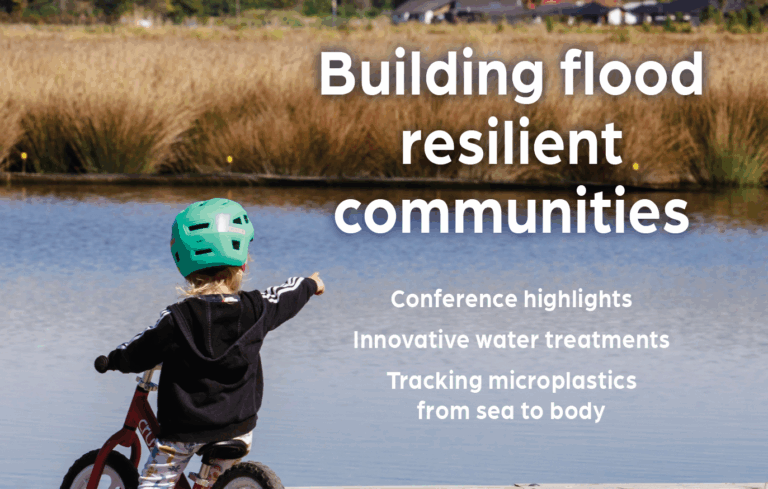
Across the world, designers, planners and public-health researchers are beginning to agree on one thing: water may be one of the most powerful wellbeing tools we have. The emerging field of blue-space research – the study of how rivers, lakes, wetlands, canals and coastal zones affect human health – shows that being near water is not merely pleasant. It’s measurably good for us.
The Wellbeing Effect: why water works
Multiple international studies now point to the same conclusion: time spent near water reduces stress, elevates mood and supports overall wellbeing.
A peer review from ISGlobal, part of the BlueHealth Project – a multi-country European initiative – reports that people living close to blue spaces consistently reported higher life satisfaction, lower stress levels and more frequent physical activity compared with those living further away (ISGlobal, 2017).
This effect shows up even in small settings. BlueHealth and ISGlobal research indicates that even small urban blue spaces — such as canals, ponds, or compact waterfronts — can deliver psychological restoration comparable to larger natural areas. The BlueHealth team describes these places as a form of ‘everyday wellbeing infrastructure’, underscoring their importance in city planning.
A 2023 study in Australia echoed these results, linking proximity to both coastal and inland water with significantly lower rates of anxiety and depression, even when accounting for exercise or income level (BMC Public Health, 2023).

Why water matters for the cities of tomorrow
The implications go far beyond individual wellbeing. Blue spaces are emerging as a strategic tool for climate-resilient, healthy, and socially inclusive urban development.
1. Natural stress relief built into the city
Floating or waterfront neighbourhoods integrate a source of mental restoration into daily life. Instead of ‘visiting’ nature, residents live with it at eye level; a powerful shift in urban design philosophy.
2. Cooling, climate adaptation and health
Water moderates temperature, supports biodiversity and provides flood-adaptive infrastructure. As climate risks grow, cities that embrace water as part of their structure rather than something to fight against will be more resilient.
3. Accessible wellbeing
Unlike exclusive parks or expensive countryside retreats, water spaces often remain public, open and socially mixed. BlueHealth research suggests they may even help reduce urban health inequalities.
4. Stronger environmental stewardship
Studies show that people who routinely interact with waterways often develop a deeper appreciation for environmental quality and conservation. Living with water creates citizens who care for it.
A new urban logic: Water as infrastructure
Traditionally, cities have treated water as a boundary: a risk, a constraint, or a scenic backdrop. But the emerging science tells a different story.
Water is infrastructure — for health, climate resilience, mobility, identity and placemaking. Floating architecture, adaptive waterfronts and integrated blue-green networks represent a shift in how cities can support human wellbeing at scale.
At SquareFloatingCity, we stand at the intersection of innovation and human experience: we transform blue-space research into tangible, immersive environments that enhance the way people live, work, and connect with their surroundings.
Contact us
Let’s set a new course for coastal cities.
Do you work for a coastal municipality? Or are you interested in a partnership?
Book a call with our team to explore what’s possible.